
Loyalty
وفاء
Wafa · Facing Birds · All Palestine
書籍の本文は英語とアラビア語で掲載しています。全文の日本語訳は今後公開予定です。
動画
コンセプト
Loyalty (Wafa) is fidelity extended through time — the commitment that does not renegotiate when circumstances change. The Arabic root wafa means to fulfill, to complete, to honor a promise to its end. Palestinian Wafa is embodied in the birds that face each other endlessly in Tatreez: permanent mutual recognition, neither looking away.
الوفاء هو الإخلاص الممتد عبر الزمن — الالتزام الذي لا يُعيد التفاوض. الجذر وفا يعني الوفاء والإكمال وتكريم وعد حتى نهايته.
模様について
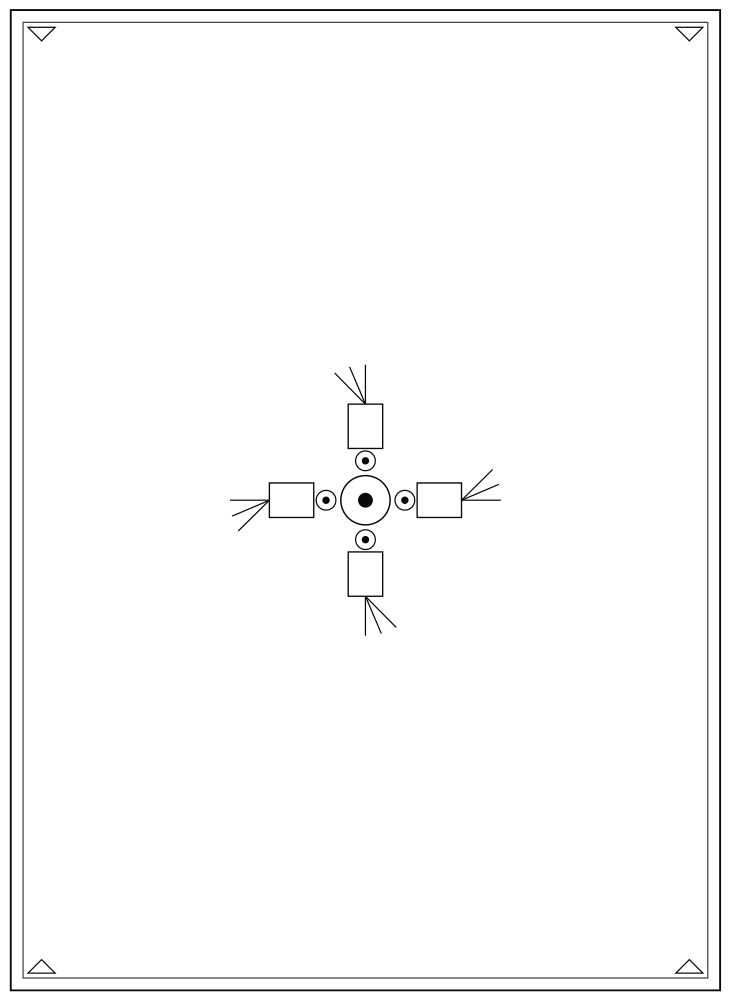
Four birds meet at the center — each pair facing the other, beaks touching at the single point of mutual recognition. This is Wafa: not the loyalty declared in words but the loyalty performed in presence, face to face, generation after generation. Palestinian women embroidered facing birds onto celebratory garments. The birds do not face away from each other; they face each other always. This is the geometry of keeping a promise.
أربعة طيور تلتقي في المركز — كل زوج يواجه الآخر، المناقير تلمس في نقطة الاعتراف المتبادل الواحدة. هذا هو الوفاء: ليس الإخلاص المُعلَن بالكلمات بل الإخلاص المُؤدَّ ى بالحضور، وجهًا لوجه، جيلًا بعد جيل.
この模様は書籍の30ページで塗ることができます。
塗り方ガイド
Start with one bird body
Fill the body rectangle of the first bird completely in your primary color.
Work the tail feathers
The three diagonal lines fanning behind each body — fill each feather individually.
Add the head and eye
One square for the head, a small filled circle for the eye.
Mirror to the opposite bird
Repeat identically — exact bilateral symmetry is essential.
Complete all four birds
Work clockwise around all four birds in the same sequence.
おすすめの配色
#dc143c#0000ff#f5f0e8#0a0a0a
文化的な背景
The Facing Birds (Asafeer Mutaqabila) is one of the most widely documented motifs in Palestinian Tatreez, appearing with equal frequency across all Palestinian regions. The bilateral symmetry of two birds facing each other — beaks meeting at the center — is the most direct visual statement of mutual recognition in the entire Palestinian embroidery tradition.
Birds in Palestinian folk culture were messengers — the creatures that could carry news across distances human feet could not cross, that appeared in dreams as omens, that announced seasonal changes with their migration. Two birds facing each other at the center is the image of a completed communication: two parties who have reached each other, who know each other, who are known.
The Facing Birds motif was embroidered specifically for celebratory garments — wedding thobes, garments worn at births and betrothals. The bilateral birds encode the social value of the occasion: that two parties are joined, that what was separate has come into relation, that the facing is permanent and mutual.
振り返り
To whom have you remained loyal, and at what cost — what has loyalty asked of you?
書籍の32ページに答えを書いてください。