
Return
عودة
Awda · Key of Return · All Palestine
書籍の本文は英語とアラビア語で掲載しています。全文の日本語訳は今後公開予定です。
動画
コンセプト
Return (Awda) is the right enshrined in UN Resolution 194 and the dream of every Palestinian family displaced since 1948. The key is the specific mechanism of Return — not the abstract right but the physical object that makes re-entry possible. Palestinian families have carried their house keys for generations.
وحلم كل194 العودة هي الحق المكرّس في قرار الأمم المتحدة عائلة فلسطينية هُجِّرت. المفتاح هو الآلية المحددة للعودة — ليس الحق المجرد بل الشيء المادي الذي يجعل إعادة الدخول ممكنة.
模様について
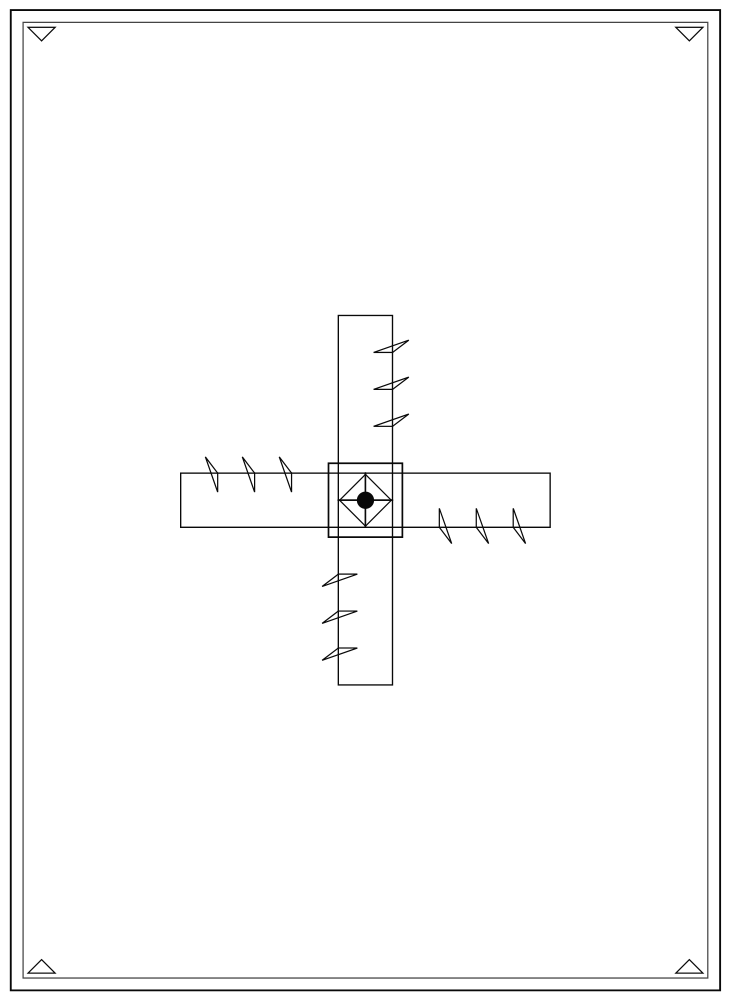
The Key of Return reaches outward from its center in four arms — each arm ending in teeth that are specific, precise, unrepeatable. A key is never general: it opens one lock only. The key turns a universal claim into a precise destination: one house, one door, one lock.
مفتاح العودة يمتد من مركزه في أربعة أذرع، ينتهي كل منها بأسنان محددة دقيقة لا تتكرر. المفتاح لا يكون عامًا أبدًا: إنه يفتح قفلًا واحدًا فقط. مفتاح العودة يربط الحق بالبيت المحدد؛ أسنانه تذكّر بأن العودة ليست فكرة عامة، بل طريق إلى مكان بعينه.
この模様は書籍の74ページで塗ることができます。
塗り方ガイド
Start at the center square
Fill the central square — the origin point of the key.
Work each arm from center outward
Fill each arm rectangle in sequence — same color, consistent pressure.
Add the teeth at the end of each arm
Each set of three teeth at the end of each arm — same color as arm.
Add the inner diamond decoration
The diamond mesh within the central square — accent color.
Complete the fine line details
Any small linear details within the arms — they give the key its specificity.
おすすめの配色
#ff0000#000000#f5f0e8#0a0a0a
文化的な背景
The Palestinian right of return (Haqq al-Awda) is enshrined in United Nations Resolution 194, passed in 1948, which affirms the right of Palestinian refugees to return to their homes and property. Palestinian families who fled or were expelled in 1948 carried their house keys with them, believing the exile was temporary. The keys became heirlooms, passed from generation to generation across more than 75 years of waiting.
The key as a symbol of the right of return was not a planned political adoption; it emerged organically from Palestinian family practice. Keys were kept because return was expected; they were passed down because the expectation was transmitted to each new generation; they became political symbols because they were already family artifacts. The embroidered key in Palestinian Tatreez predates its political significance — keys were embroidered as domestic symbols long before 1948.
Contemporary Palestinian embroiderers who work the Key of Return motif are engaged in a form of political declaration that is also a cultural practice. The key stitch appears in Tatreez from every Palestinian community — in Gaza, the West Bank, the diaspora in Lebanon, Jordan, and Europe. Its universality across communities separated by borders and blockades is itself a form of the connection it represents: the shared key to the shared home.
振り返り
What would it mean for you to return — to a place, a self, a way of being that you have left behind?
書籍の76ページに答えを書いてください。